Recurrent Implantation Failure (RIF) can be challenging, but management strategi...See More
Feb 03, 2026

Expert in PCOS, poor responders, and unexplained infertility cases.
Personalized approach to IVF, IUI, and embryo transfer procedures.
.jpg)
Internationally trained expert offering advanced fertility treatments and care

Specializing in hormonal evaluation, PCOS, and fertility preservation techniques

Specialized care for PCOS, SSG, embryo transfer, and unexplained infertility.

.jpg)
.jpg)
.jpg)
.jpg)
About Us


Comprehensive solutions for infertility, diagnosis, and assisted conception


Stay informed with our latest updates, posts, announcements, and healthcare news
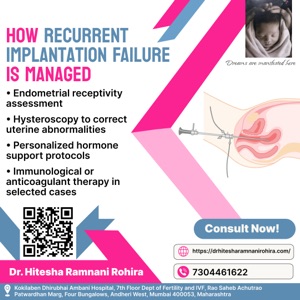
Recurrent Implantation Failure (RIF) can be challenging, but management strategi...See More
Feb 03, 2026
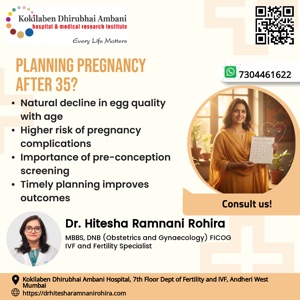
Navigating pregnancy post-35 can be healthy with proper precautions. Regular pre...See More
Jan 07, 2026
IVF and Fertility Specialist
.png)
What our Patients says about us
Dr. Hitesha is an exceptional doctor who played a crucial role in my pregnancy. She provided unwavering support throughout my pregnancy. Her guidance and advice were always timely and invaluable. Even her team of assistants is highly competent and supportive.

Dear Dr Hitesha , I can't express enough thanks for your expertise and your compassion because of which I am now a Mother to a beautiful Baby. Your support and Guidance helped to navigate all ups and Downs in the Journey. I also need to mention extreme care and warmth by the entire Team. Thank you So Much for you and the team .
Dr.Hitesh Rohira is incredibly knowledgeable and took the time to explain my diagnosis and treatment options in a way that was easy to understand. her ability to address all my questions and concerns with patience and clarity was truly reassuring. The level of attention to detail that Dr Rohira provides is remarkable. In addition to their outstanding medical expertise, the entire team at Dr Rohira is efficient and friendly, creating a supportive and welcoming environment. I wholeheartedly recommend Dr Rohira, her combination of skill, compassion, and professionalism makes them an excellent choice for anyone seeking top-notch medical care.
I would like to thank and express my gratitude to Dr.Hitesha Rohira ma'am she guided and helped me to understand the diagnosis and suggest the treatment according. Due to which I was able to convince. Also during pregnancy she answered all my questions calmly and positively. Even the team has always been supportive during all visits. I wholeheartedly recommend Dr Hitesha Rohira she is the best and amazing doctor.
Dr. Hitesha Ramnani Rohira and team is with extremely excellent knowledge and support for us and we would like to recommend couples. This is the team who got us out of the stress. Inspite of asking thousand questions to them they don’t get tired by us that’s a great thing which I have seen, infact I know I have asked them very silly questions but I got very nice response. Once again THANK YOU TO DR. HITESHA and TEAM.
Need Answers? Find them here...
Dr. Hitesha Ramnani Rohira is the Lead Consultant in the Department of Fertility and IVF at Kokilaben Dhirubhai Ambani Hospital, Mumbai. Her credentials are extensive, holding an MBBS, DNB in Obstetrics and Gynaecology, FICOG, and MRCOG (Part 1), along with advanced training through a Clinical Fellowship in Reproductive Medicine from Kiel, Germany. With over a decade of experience, she has worked with top fertility centers in Pune and Mumbai. Her expertise includes managing complex infertility cases like poor ovarian response and low AMH, ensuring comprehensive, patient-centered care.
Dr. Hitesha Ramnani Rohira offers a range of fertility services, catering to both local and overseas patients. Her expertise includes pre-natal counselling, pelvic ultrasound, IUI, IVF, and cryopreservation of oocytes and embryos. She is adept at handling complex infertility issues like PCOS and unexplained infertility. Additionally, Dr. Hitesha oversees donor and surrogacy programs and has extensive experience in surgical sperm retrieval methods, such as PESA/TESA/TESE. Her compassionate and personalized care approach makes her highly sought after as a fertility physician.
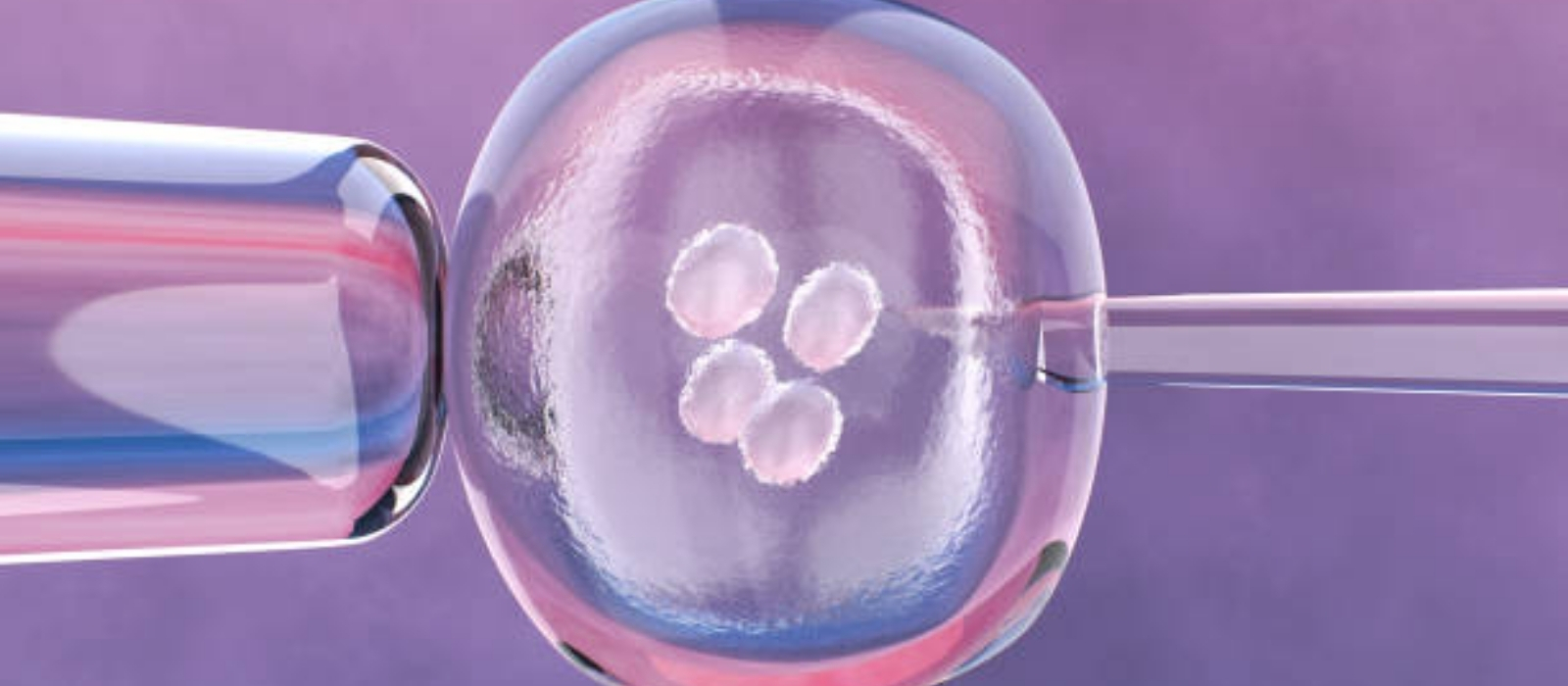
IUI (Intrauterine Insemination) and IVF (In Vitro Fertilization) are assisted reproductive technologies used to treat infertility. IUI involves placing sperm directly into the uterus, facilitating fertilization. IVF involves fertilizing an egg outside the body, and then transferring the embryo to the uterus. The choice between IUI and IVF depends on specific fertility issues, with IVF being more invasive and typically used for complex cases.
Oocyte retrieval is a key step in the IVF process where mature eggs are collected from the ovaries. It is performed under sedation using a needle guided by ultrasound through the vaginal wall. The procedure takes about 20-30 minutes, and mild cramping or discomfort may be felt afterwards. After retrieval, the eggs are fertilized in the lab for embryo transfer. Recovery is usually quick, allowing resumption of normal activities soon.
Embryo transfer is a key step in IVF where fertilized embryos are placed into the uterus. It is typically performed 3-5 days after egg retrieval. The process is minimally invasive, using a thin catheter to transfer embryos. Anesthesia is not usually required, and you may feel mild discomfort. Success depends on various factors, including embryo quality and uterine conditions. After transfer, you'll need to rest briefly before resuming normal activities.
SSG, or Sonohysterography, is a diagnostic procedure used to examine the uterine cavity. It involves injecting saline into the uterus and using ultrasound to obtain detailed images. This helps identify abnormalities such as polyps, fibroids, or scar tissue that could affect fertility. SSG is minimally invasive and can guide fertility specialists in tailoring treatment plans, ensuring any underlying issues are addressed before IUI/IVF procedures.
Polycystic Ovary Syndrome (PCOS) is a hormonal disorder that can affect ovulation, making it a common cause of infertility. Women with PCOS may have irregular menstrual cycles or no ovulation. Fertility treatments like IUI or IVF can be effective options. IUI can help during timed intercourse when ovulation is irregular. IVF is often recommended for severe cases or when other treatments fail, offering a higher success rate by controlling ovulation and fertilization.
'Unexplained infertility' refers to cases where no specific cause is identified after thorough evaluation. It affects about 10-20% of infertile couples. Treatment often involves lifestyle changes, medication to stimulate ovulation, and assisted reproductive technologies like IUI or IVF. IVF is frequently recommended due to its higher success rates. Despite the lack of specific diagnosis, many couples achieve pregnancy with appropriate treatment and monitoring by a fertility specialist.
The number of IUI or IVF cycles needed varies based on individual circumstances. While some may achieve success after one cycle, others may require multiple attempts. On average, IVF has a higher success rate per cycle compared to IUI. Research suggests that 3-4 IVF cycles increase cumulative pregnancy rates significantly. Consulting with a fertility specialist can help tailor a treatment plan suited to your specific needs and improve chances of success.
Adopting a healthy lifestyle can support IUI and IVF success. It is recommended to maintain a balanced diet rich in fruits, vegetables, lean proteins, and whole grains. Avoiding alcohol, caffeine, and smoking is crucial. Regular, moderate exercise helps maintain a healthy weight, which can improve fertility. Stress management through yoga or meditation can also be beneficial. Consult with your fertility specialist for personalized guidance to optimize treatment outcomes.
Oocyte retrieval is generally safe, but like any medical procedure, it carries potential risks and side effects. These may include mild cramping, bloating, or bleeding post-procedure. In rare cases, ovarian hyperstimulation syndrome (OHSS) may occur, causing abdominal pain and swelling. Infection or injury is uncommon but possible. Discussing these concerns with your fertility specialist can provide reassurance and help in understanding the steps taken to minimize these risks.
IVF with embryo transfer is a successful treatment option for women with PCOS, as it can effectively bypass ovulation issues by directly implanting a fertilized embryo. Success rates are generally higher due to controlled ovarian hyperstimulation during IVF. Good embryo quality and careful monitoring play key roles in enhancing outcomes. Consulting a fertility specialist with experience in treating PCOS can improve individualized treatment plans, increasing the likelihood of a successful pregnancy.
SSG, or Sonohysterography, is instrumental in diagnosing unexplained infertility by providing detailed images of the uterine cavity. It can reveal structural abnormalities like polyps or fibroids that might not be detected by standard ultrasound or HSG. By identifying potential issues within the uterine environment, SSG helps fertility specialists address hidden factors that could hinder conception, thus guiding effective treatment strategies like IUI or IVF for better success rates.
Yes, IUI and IVF can effectively address certain male infertility issues. IUI is beneficial when sperm quality is slightly compromised, as it places concentrated sperm directly into the uterus, improving chances of fertilization. IVF, particularly when combined with ICSI (Intracytoplasmic Sperm Injection), aids in more severe cases, allowing direct sperm injection into the egg. A fertility specialist can help determine the most suitable approach based on the specific male factor involved.
 Address :Kokilaben Dhirubhai Ambani Hospital, 7th Floor Dept of Fertility and IVF, Rao Saheb Achutrao Patwardhan Marg, Four Bungalows, Andheri West, Mumbai 400053, Maharashtra